
Storm Restoration Timing Strategies
Storm restorations are critical for restoring safety and structural integrity following severe weather events. The optimal timing for these projects depends on weather patterns, seasonal conditions, and local climate factors. Proper planning ensures that repairs are effective and durable.
Immediate inspection after a storm identifies damages that need urgent attention to prevent further deterioration.
Scheduling restorations during dry seasons minimizes weather-related delays and allows for thorough repairs.
Performing restorations during off-peak times can reduce costs and scheduling conflicts.
Monitoring weather forecasts helps identify the best windows for restoration work, avoiding rain and wind disruptions.
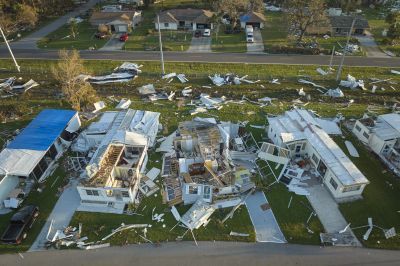
Assessing damages promptly after storms helps prioritize restoration efforts.
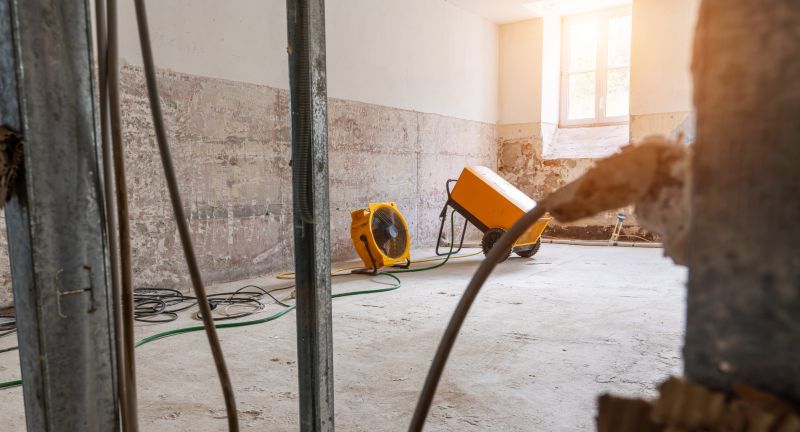
Equipment used during optimal weather conditions ensures efficient repairs.
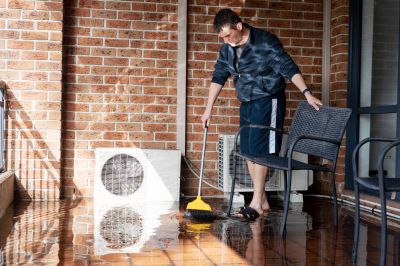
A work site prepared during dry weather facilitates smoother restoration activities.

Tools that track weather patterns assist in planning restoration schedules.
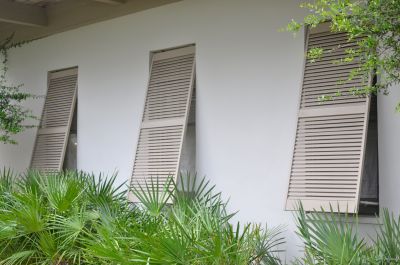
Ways to make Storm Restorations work in tight or awkward layouts.

Popular materials for Storm Restorations and why they hold up over time.

Simple add-ons that improve Storm Restorations without blowing the budget.

High-end options that actually feel worth it for Storm Restorations.
| Season | Advantages |
|---|---|
| Spring | Moderate weather, less rain, ideal for repairs |
| Summer | Longer daylight hours, but risk of storms |
| Fall | Cooler temperatures, less humidity |
| Winter | Potential delays due to rain and cold |
| Post-Storm | Immediate response minimizes damage escalation |
Storm restorations involve repairing and restoring structures damaged by severe weather events. These projects can include roof repairs, siding replacement, window reinforcements, and structural assessments. Timely restoration helps prevent further damage, reduces safety hazards, and restores property value. Statistics indicate that early intervention can significantly decrease repair costs and improve long-term durability. Proper timing aligned with weather patterns ensures that restoration efforts are not hindered by rain, wind, or cold temperatures, leading to more efficient project completion.

Restoration work during optimal weather conditions ensures quality repairs.

Skilled crews working efficiently during suitable weather windows.
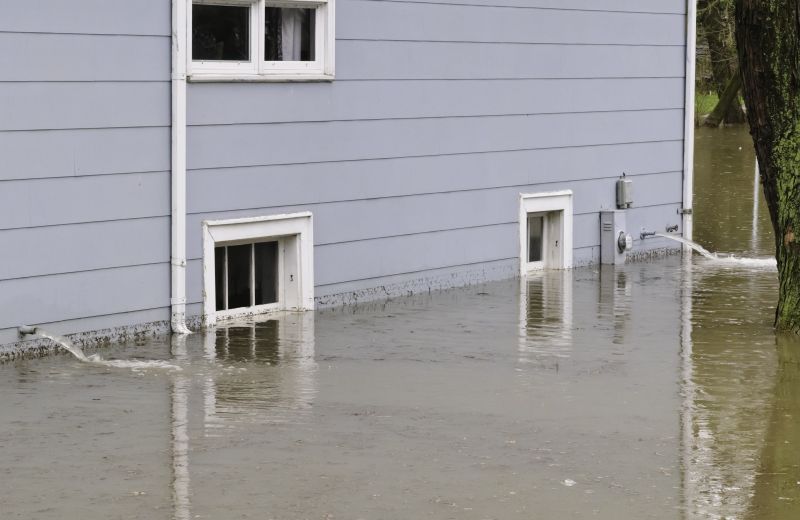
Restoration completed under favorable conditions for durability.

Forecast tools assist in planning restoration schedules.

Finishes and colors that play nicely with Storm Restorations.

Little measurements that prevent headaches on Storm Restorations day.

A 60-second routine that keeps Storm Restorations looking new.

A frequent mistake in Storm Restorations and how to dodge it.
Interested parties are encouraged to contact for more information or to schedule a consultation. Proper timing and planning are essential for effective storm restorations, helping to restore safety and property value efficiently.